
GRAIN CLEANERS
Grain Cleaners
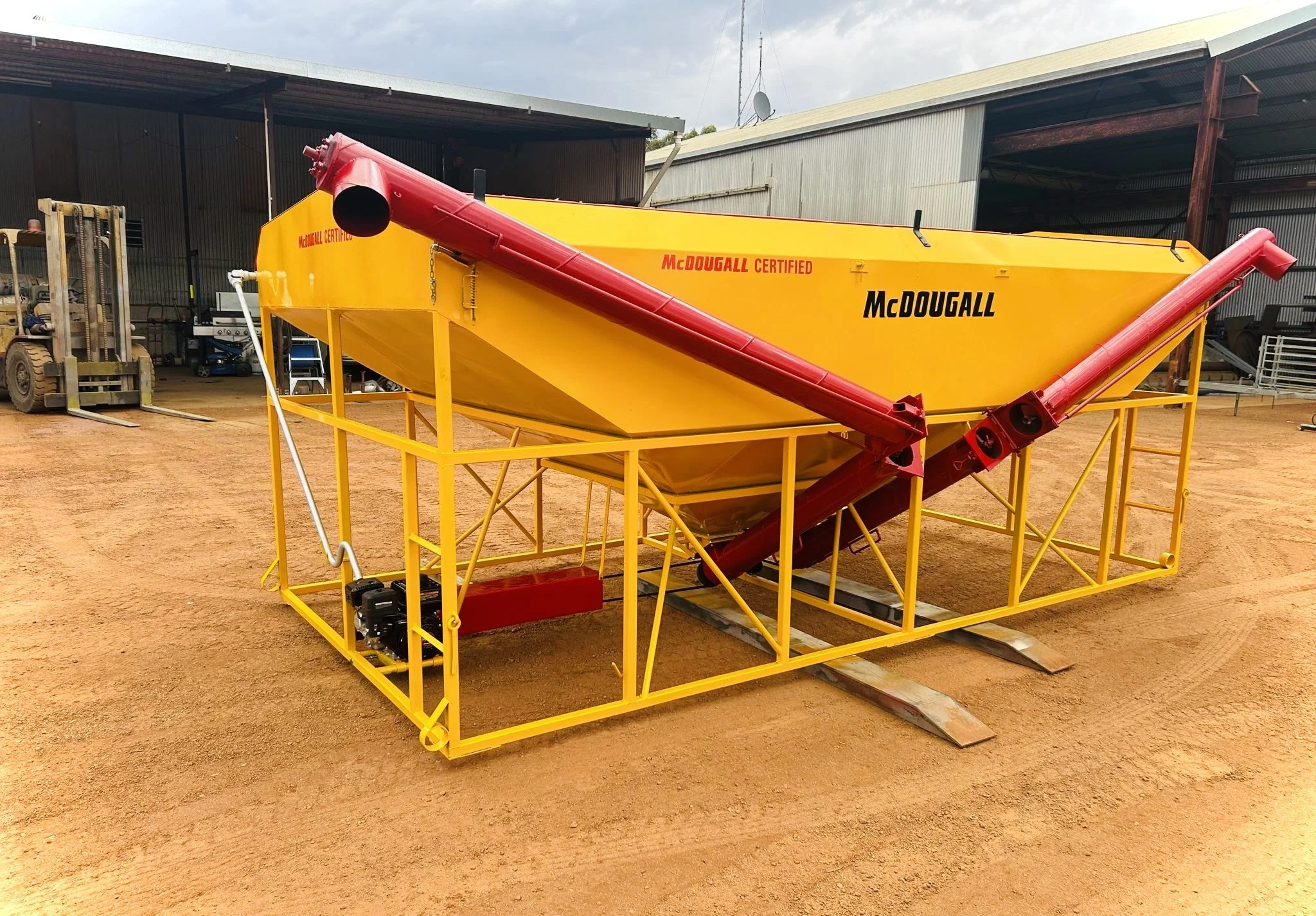
McDougall Certified can restore your grain cleaner to better than new condition
Grain Cleaners for Optimal Harvest Quality
Are you a farmer looking for the perfect grain cleaner to ensure optimal harvest quality? Look no further!
Achieving a high-quality harvest starts with selecting the right equipment, and a grain cleaner plays a crucial role in this process. Whether you're working with wheat, barley, corn, or any other type of grain, finding the ideal cleaner can make a significant difference in removing impurities and achieving the desired grain quality.
Don't compromise on the quality of your harvest. At McDougall Weldments we can take your old/damaged grain cleaner and make it better than new for as little as 50% the cost of purchasing a new one. Remember to old adage when buying something new, it loses 30% of its value as you drive it off the sales lot. However, when you use our McDougall Certified process you are ADDING the value of your spend to that piece of equipment!

Top Grain Cleaners: FACTS
Elevate your harvest quality and efficiency with the best grain cleaners. Unlock the secrets to superior yields and maximize your farming success today!
Importance of Grain Cleaning in Agriculture
Grain cleaning holds a pivotal role in modern agriculture. As the bedrock of productive farming, it ensures that the harvested grains are free from impurities, such as dust, stones, and other foreign materials. These impurities can significantly affect the overall quality of the grain, leading to lower market prices and reduced profitability for farmers. By prioritizing grain cleaning, farmers can ensure that their produce meets industry standards, thereby securing better market positions and higher returns for their hard work.
Moreover, clean grains are less prone to pest infestations and diseases. Impurities often harbor pests and pathogens, which can deteriorate the stored grains over time. This not only leads to potential financial losses but also jeopardizes food safety. Implementing thorough grain cleaning procedures can drastically reduce the risk of contamination, ensuring that the grains remain safe for consumption over extended periods.
In addition to financial and food safety benefits, grain cleaning also plays a crucial role in maintaining the efficiency of subsequent processing and storage operations. Clean grains flow more smoothly through machinery, reducing wear and tear on equipment and minimizing the need for frequent maintenance. This translates to lower operational costs and enhanced overall efficiency in the post-harvest process. Clearly, the importance of grain cleaning in agriculture cannot be overstated, as it directly impacts the quality, safety, and profitability of the harvest.
Types of Grain Cleaners Available
The market offers a wide range of grain cleaners, each designed to cater to specific needs and operational scales. One of the most common types is the air-screen cleaner. Utilizing a combination of sieves and airflow, these machines effectively separate grains from lighter impurities such as chaff, dust, and small seeds. Air-screen cleaners are widely favored for their simplicity, reliability, and ability to handle various grain types, making them a staple in many agricultural setups.
Another popular option is the gravity separator. These machines leverage the principle of density difference to separate grains from contaminants. By passing the grain mixture over a tilted, vibrating deck, gravity separators can precisely segregate denser grains from lighter impurities. This method is particularly effective in removing stones and other heavy materials that might have been mixed with the grains during harvest. Gravity separators are highly efficient and are often used in conjunction with other cleaning systems for optimal results.
For farmers looking for a more advanced solution, optical sorters present a high-tech option. These machines use cameras and sensors to detect and remove discolored, damaged, or otherwise defective grains from the batch. Optical sorters offer unmatched precision and can significantly enhance the quality of the final product. While they represent a higher initial investment, the benefits in terms of product quality and marketability often justify the cost. Understanding the various types of grain cleaners available allows farmers to choose the best option for their specific needs, ensuring efficient and effective grain cleaning.
How Grain Cleaners Improve Harvest Quality
Grain cleaners play a vital role in enhancing the overall quality of the harvest. By efficiently removing contaminants and impurities, these machines ensure that only the best grains make it to the final product. This meticulous selection process results in higher-grade produce that meets stringent quality standards, thereby fetching better prices in the market. Superior grain quality is not just about appearance; it also translates to better nutritional value and higher consumer acceptance.
One of the key ways grain cleaners improve harvest quality is by reducing the presence of foreign materials. Stones, soil, and other debris are common contaminants that can significantly degrade the quality of grains. These impurities not only affect the aesthetic appeal of the grains but can also cause damage during milling or processing. Grain cleaners effectively eliminate these unwanted materials, ensuring that the grains are clean and ready for further processing. This step is crucial for producing high-quality flour, seeds, and other grain-based products.
Additionally, grain cleaners help in separating damaged or diseased grains from the healthy ones. Grains that are broken, discolored, or affected by pests can negatively impact the overall quality of the harvest. By using advanced cleaning techniques, these machines can identify and remove such defective grains, leaving behind a batch of uniform, high-quality produce. This not only enhances the visual appeal of the harvest but also improves its safety and nutritional value. Consequently, the use of grain cleaners is instrumental in achieving superior harvest quality and ensuring that the produce is fit for consumption.
Efficiency Gains from Using Grain Cleaners
The implementation of grain cleaners in agricultural operations brings about significant efficiency gains. One of the most notable benefits is the reduction in manual labor required for cleaning grains. Traditional methods of cleaning, such as handpicking or using rudimentary sieves, are labor-intensive and time-consuming. Modern grain cleaners automate these processes, allowing farmers to clean large quantities of grains quickly and efficiently. This not only saves time but also reduces labor costs, making the entire operation more cost-effective.
Another key efficiency gain from using grain cleaners is the improved throughput of the cleaning process. Advanced grain cleaners are designed to handle high volumes of grains with minimal downtime. This means that farmers can process their harvests faster, reducing the time the grains spend in storage before cleaning. Faster processing times are particularly important during peak harvest seasons when time is of the essence. Efficient grain cleaning ensures that the harvested grains are processed and stored promptly, minimizing the risk of spoilage and maximizing the yield.
Furthermore, the use of grain cleaners can lead to better utilization of storage space. Clean grains occupy less space as they are free from bulky impurities. This allows farmers to store more grains in the same storage units, optimizing the use of available space. Additionally, clean grains are less likely to attract pests, reducing the need for pest control measures and further enhancing storage efficiency. Overall, the adoption of grain cleaners results in significant efficiency gains, improving the productivity and profitability of farming operations.
Key Features to Look for in a Grain Cleaner
When selecting a grain cleaner, there are several key features that farmers should consider to ensure they choose the most suitable machine for their needs. One of the most important features is the cleaning capacity. This refers to the amount of grain the machine can process in a given time. Farmers should choose a grain cleaner with a capacity that matches their scale of operations to ensure efficient and timely processing of their harvests.
Another crucial feature to look for is the type of cleaning mechanism used by the machine. Different grain cleaners use various methods, such as air screening, gravity separation, or optical sorting. Each method has its own advantages and is suited for specific types of impurities. Farmers should consider the types of contaminants commonly found in their harvests and choose a machine with the appropriate cleaning mechanism. For example, if the grains are often mixed with stones and heavy debris, a gravity separator would be an ideal choice.
Durability and ease of maintenance are also important factors to consider. Grain cleaners are a significant investment, and farmers need machines that are built to last. Choosing a machine made from high-quality materials and with a robust design ensures longevity and reliable performance. Additionally, ease of maintenance is crucial for minimizing downtime and ensuring the machine operates at peak efficiency. Farmers should look for grain cleaners that are easy to clean, have accessible parts, and come with comprehensive maintenance instructions and support.
Maintenance Tips for Grain Cleaning Equipment
Proper maintenance of grain cleaning equipment is essential for ensuring its longevity and optimal performance. One of the fundamental maintenance tips is regular cleaning of the machine. Dust, debris, and residues can accumulate in various parts of the grain cleaner, affecting its efficiency and potentially causing damage. Farmers should establish a routine for cleaning the machine after each use, ensuring that all components are free from build-up and operating smoothly.
Another important maintenance tip is to conduct regular inspections of the machine. Farmers should check for any signs of wear and tear, such as damaged screens, loose bolts, or worn-out belts. Identifying and addressing these issues early can prevent more significant problems and costly repairs in the future. Regular inspections also help in ensuring that the machine is operating at its best, providing consistent and efficient cleaning results.
Lubrication is also a critical aspect of maintaining grain cleaning equipment. The moving parts of the machine, such as bearings and gears, require regular lubrication to minimize friction and ensure smooth operation. Farmers should follow the manufacturer's recommendations for lubrication, using the appropriate type and amount of lubricant. Proper lubrication not only extends the life of the machine but also enhances its efficiency and performance.
Cost-Benefit Analysis of Investing in Grain Cleaners
Investing in grain cleaners represents a significant expenditure for farmers, but the benefits often outweigh the costs. One of the primary benefits is the improvement in grain quality, which can lead to higher market prices and increased revenue. Clean, high-quality grains are more attractive to buyers and can command premium prices. This increase in revenue can quickly offset the initial investment in the grain cleaning equipment, making it a financially sound decision.
Another benefit is the reduction in labor costs. Modern grain cleaners automate the cleaning process, reducing the need for manual labor. This not only saves time but also lowers labor expenses, as fewer workers are needed to handle the same amount of grain. Additionally, the efficiency gains from using grain cleaners can lead to faster processing times and reduced storage costs. Clean grains require less space and are less likely to spoil, further enhancing the cost-effectiveness of the investment.
Farmers should also consider the long-term benefits of investing in grain cleaners. High-quality, durable machines can provide reliable performance for many years, offering a good return on investment. Moreover, the adoption of grain cleaning technology can enhance the overall productivity and profitability of farming operations, contributing to long-term success and sustainability. Conducting a thorough cost-benefit analysis can help farmers make informed decisions and choose the best grain cleaning equipment for their needs.
Case Studies: Successful Implementation of Grain Cleaners
Case studies of successful implementation of grain cleaners provide valuable insights into the benefits and practical applications of these machines. One notable example is a large-scale wheat farm in the Midwest United States that invested in a state-of-the-art optical sorter. Prior to the investment, the farm struggled with inconsistent grain quality and high labor costs associated with manual cleaning. After implementing the optical sorter, the farm experienced a significant improvement in grain quality, leading to higher market prices and increased revenue. The automated cleaning process also reduced labor costs, contributing to overall cost savings and enhanced profitability.
Another case study involves a rice farm in Southeast Asia that adopted a combination of air-screen cleaners and gravity separators. The farm faced challenges with impurities such as stones and chaff, which affected the quality of the rice and led to frequent equipment breakdowns during milling. The introduction of the air-screen cleaners effectively removed lighter impurities, while the gravity separators handled heavier contaminants. This dual cleaning approach resulted in cleaner, higher-quality rice and reduced maintenance costs for the milling equipment. The farm reported improved efficiency and profitability, demonstrating the effectiveness of the grain cleaning technology.
A small-scale organic farm in Europe provides another example of successful grain cleaner implementation. The farm, which produces a variety of grains including barley and oats, invested in a portable air-screen cleaner to accommodate its diverse cleaning needs. The machine's versatility and ease of use allowed the farm to efficiently clean different types of grains, ensuring high-quality produce for its niche market. The investment in the grain cleaner not only improved the quality of the harvest but also enhanced the farm's reputation for producing premium organic grains.
Conclusion: Enhancing Your Harvest with Effective Grain Cleaning
In conclusion, effective grain cleaning is a crucial component of successful farming operations. By investing in the right grain cleaning equipment, farmers can significantly improve the quality and marketability of their harvests. Clean grains are more attractive to buyers, fetch higher prices, and contribute to increased revenue. Moreover, the efficiency gains from using grain cleaners, such as reduced labor costs and faster processing times, enhance overall productivity and profitability.
Choosing the right grain cleaner involves considering factors such as cleaning capacity, cleaning mechanism, durability, and ease of maintenance. Regular maintenance of the equipment is essential for ensuring its longevity and optimal performance. Farmers should establish a routine for cleaning, inspecting, and lubricating the machine to keep it in top condition. Conducting a cost-benefit analysis can help farmers make informed decisions and select the best equipment for their needs.
The successful implementation of grain cleaners, as demonstrated by various case studies, highlights the tangible benefits of this technology. From large-scale operations to small organic farms, the adoption of grain cleaning equipment has led to improved quality, efficiency, and profitability. By prioritizing grain cleaning, farmers can unlock the secrets to superior yields and maximize their farming success. Investing in effective grain cleaning is a step towards enhancing the harvest and ensuring long-term sustainability in agriculture.